(![[syndicated profile]](https://www.dreamwidth.org/img/silk/identity/feed.png) xkcd_feed Dec. 5th, 2025 05:00 am)
xkcd_feed Dec. 5th, 2025 05:00 am)
xkcd_feed Dec. 5th, 2025 05:00 am)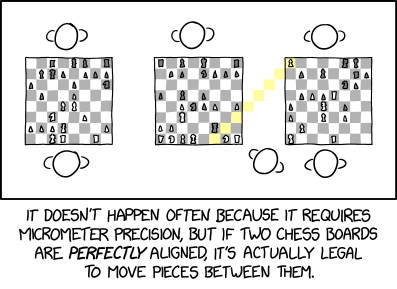

Hey all, it's December and that means it's time to share your suggestions for next year's themes!
You can comment on this post with up to 10 suggestions. Comments will be screened, but I'll unscreen mine so you can get a feel for how it goes.
Suggested themes should be new to the comm and broad enough to sustain a month of recommendations, and I'm going to be more particular than I have in the past, as I'd like to focus on general themes that make it easier for everyone to participate. To give you an idea of what this means, I'm aiming for themes that have at least 5,000 completed works on AO3. I've also preloaded the list with some common genres that, surprisingly enough, we haven't done yet, like fantasy.
I'll drop by your comments and let you know which of your suggestions meet these guidelines. As part of this process I may offer slight alterations or rework themes to make them more inclusive.
If you can, check out our spreadsheet of past themes before commenting to make sure your suggestions aren't already on there.
If you need some inspiration:
I'll add the suggestions to this post once they've been confirmed, but I still, somehow, don't have all the past themes memorized, so if I make a mistake or if I accept a suggestion that is hurtful or badly worded, let me know.
Theme suggestions will be voted on later this month and the most popular will advance to the monthly theme polls in 2026.
( Confirmed Theme Suggestions )
If you have any questions or need help, come find me!


![[personal profile]](https://www.dreamwidth.org/img/silk/identity/user.png) full_metal_ox posting in
full_metal_ox posting in ![[community profile]](https://www.dreamwidth.org/img/silk/identity/community.png) fancake Dec. 5th, 2025 03:42 pm)soupytwist, (Tumblr)
fancake Dec. 5th, 2025 03:42 pm)soupytwist, (Tumblr) 

 xkcd_feed - Chessboard Alignmentelayna - Fannish Fifty #43: Starfleet Academyrunpunkrun in fancake - 2026 Theme Suggestionscase in fandomsecrets - [ SECRET POST #6909 ]mrshamill - Fragilitytiggymalvern - (no subject)full_metal_ox in fancake - Chen Qing Ling; The Magnetic Fields (band); Let’s Pretend We’re Bunny Rabbits (fanvid) by soupytwistsuperfangirl1 in scans_daily - Animal Man In "It's A Wonderful Life"elayna - Fannish Fifty #42: on grief and routinesjames - Elfssnickfic - fic recs: femslashcyberghostface in scans_daily - Huck: Big Bad World #6settiai - Critical Role: Campaign 4, Episode 8laughing_tree in scans_daily - Venom #251lannamichaels - Choices were madecase in fandomsecrets - [ SECRET POST #6908 ]james - Elf Meme: 2 Elf 2 Furious!beccaelizabeth - (no subject)beccaelizabeth - Today I...elayna - Fannish Fifty #41: what people accept

